
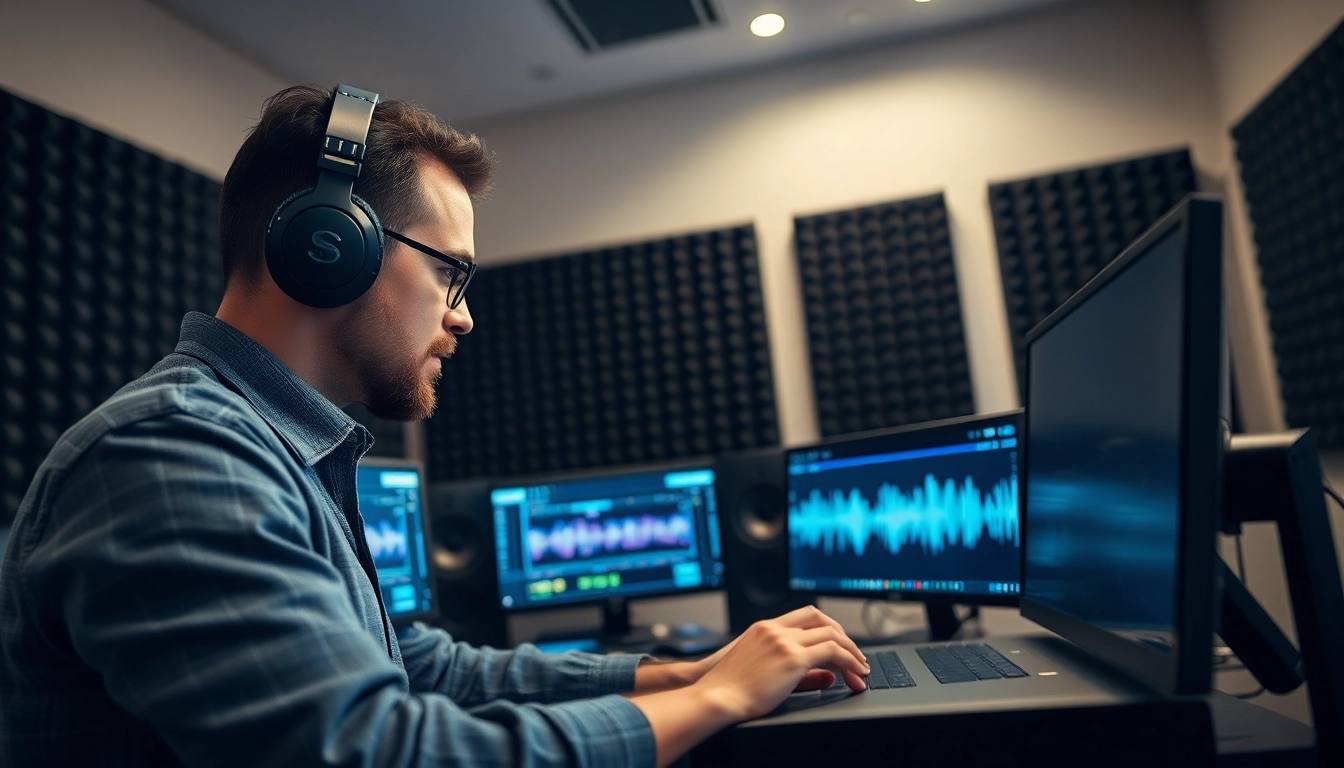
Understanding Online Audio Mastering
What is Online Audio Mastering?
Online audio mastering is a digital process where music is finalized for distribution, ensuring that tracks achieve a professional sound quality suitable for various formats and platforms. This involves applying various audio processing techniques to enhance the overall sound and balance of a music track. With advancements in technology, mastering can now be efficiently carried out over the internet, making it accessible for artists and producers worldwide. By using an online audio mastering service, musicians can receive expert mastering without needing to be physically present in a studio.
The Importance of Mastering in Music Production
Mastering is pivotal in music production, serving as the final touch to ensure tracks sound polished and cohesive. It brings together all the elements of a song, balancing levels, equalizing frequencies, and adding dynamic range. Mastering not only prepares a track for listening but also guarantees it translates well across multiple playback systems, whether on headphones, car stereos, or high-end audio systems. Additionally, a well-mastered track maintains consistency with other tracks by the same artist or within a playlist, enhancing the overall listening experience and professional appeal.
Key Differences Between Mixing and Mastering
While mixing and mastering are both essential stages of music production, they serve different purposes. Mixing is the process where individual audio tracks are combined, adjusting levels, panning, effects, and other elements to create a balanced piece. In contrast, mastering is the final step, focusing on the overall sound, ensuring it meets listening standards across different formats. Essentially, mixing deals with the individual components of a track, while mastering pertains to the finished product as a whole. Understanding these differences helps artists appreciate the various aspects of their music’s production.
The Online Audio Mastering Process
Preparing Your Audio Files for Mastering
To ensure optimal results when using an online audio mastering service, it’s crucial to prepare your audio files appropriately. Start by bouncing down your mix to a stereo file, ideally in high resolution (44.1kHz to 96kHz, 24-bit or higher) to preserve quality. Pay close attention to levels; ensure they are not peaking above -6dB to prevent distortion during mastering. Remove any unnecessary effects such as compression or limiting, as these can hinder the mastering engineer’s ability to work effectively. Clear labeling of your file names and including notes about particular issues or preferences can also help the mastering engineer deliver the best results.
Steps in the Online Audio Mastering Workflow
The workflow for online audio mastering typically involves several key steps:
- Upload files: Most services use an easy-to-navigate platform for file uploads.
- Initial review: Engineers review the mixes to identify strengths and areas needing improvement.
- Mastering process: This includes equalization, compression, and limiting tailored to full-sound optimization.
- Quality check: After processing, a quality assurance check ensures all tracks meet industry standards.
- Delivery of master files: Final files are provided in various formats, ready for distribution.
Common Techniques Used in Online Audio Mastering
Online audio mastering employs several techniques to enhance sound quality and achieve a professional finish. Key methods include:
- Equalization (EQ): Adjusting frequency levels to enhance clarity or reduce muddiness.
- Compression: Controlling the dynamic range to maintain consistent sound levels.
- Limiting: Preventing audio peaks to avoid distortion while maximizing volume.
- Stereo widening: Enhancing the stereo field for a more immersive experience.
- Final adjustments: Tailoring the overall sound based on the desired style and audience.
Choosing an Online Audio Mastering Service
Comparing Different Services and Features
Choosing the right online audio mastering service requires careful consideration of various factors. Look for features such as automated vs. human mastering options, turnaround time, file formats accepted, and inclusion of revisions. Some services offer a more personalized experience, providing direct contact with mastering engineers, while others use advanced algorithms for rapid processing. Balancing these features against your specific needs will help you select the most suitable service.
Evaluating Price vs. Quality in Online Audio Mastering
The cost of online audio mastering services can vary widely, from budget-friendly options to high-end packages. While it might be tempting to choose the cheapest option, it’s crucial to evaluate the quality of the service. Look for samples of previous work to gauge how their mastering meets your expectations. Investing in a reputable service can significantly affect the final product, enhancing professional opportunities.
Understanding Customer Reviews and Testimonials
Examining customer reviews and testimonials can provide valuable insights into the reliability and quality of online audio mastering services. Pay attention to comments about turnaround times, communication with engineers, and overall satisfaction. Look for consistent themes rather than outliers, as this can give you a better understanding of what to expect from a service, helping you make an informed choice.
Best Practices for Effective Online Audio Mastering
Common Mistakes to Avoid
When preparing for online audio mastering, avoiding common pitfalls can streamline the process and deliver better results. These include:
- Sending poorly mixed tracks—ensure your mix is as polished as possible.
- Using excessive dynamics processing on the mix, leaving little room for adjustments.
- Neglecting to communicate specific requirements or preferences to the mastering engineer.
- Not allowing enough time for the mastering process, especially for revisions.
Tips for Achieving Professional Sound Quality
To achieve a professional sound quality with your masters, keep these tips in mind:
- Use reference tracks to compare tonal balance and loudness against industry standards.
- Listen to your mix on various playback systems to ensure it sounds good across all formats.
- Prioritize the emotional impact of the song—this should guide your mastering decisions.
- Be open to the engineer’s feedback and suggestions to enhance the master further.
How to Provide Feedback to Your Mastering Engineer
Effective communication with your mastering engineer can significantly influence the outcome. When providing feedback, be specific about what aspects you like or wish to change. Reference particular parts of the track and describe how they make you feel. Constructive, detailed feedback can facilitate a productive revision process, ensuring that the final master meets your artistic vision.
Frequently Asked Questions About Online Audio Mastering
What files should I send for online audio mastering?
For online audio mastering, it’s best to send high-quality WAV or AIFF files for the best results.
How long does the online audio mastering process take?
Typically, online audio mastering can take anywhere from a few hours to several days, depending on the service.
Can I master my tracks myself online?
Yes, many online services offer tools to help you master tracks yourself, but professional help ensures better quality.
What is the cost of online audio mastering?
The cost can vary widely, typically ranging from $20 to $150 per track, depending on the service and quality.
Do I need to master every track?
While not mandatory, mastering is recommended to ensure all tracks sound cohesive and of high quality.