
Understanding Stress and Anxiety
What Are Stress and Anxiety?
Stress and anxiety are common psychological responses to the demands and pressures presented by life. Stress is usually a response to an external factor, such as an upcoming deadline or a significant life change. It can trigger a cascade of physiological responses, such as the release of adrenaline, which prepares the body for a ‘fight or flight’ response. On the other hand, anxiety is often a more generalized feeling of apprehension or fear that may not be tied to an identifiable trigger. It can manifest in various forms, from occasional worry to chronic anxiety disorders.
Understanding the intricacies of stress and anxiety is vital to effectively managing these conditions. While stress can sometimes motivate us to act, persistent anxiety can be debilitating and hinder daily functioning. Awareness of these concepts is the first step to developing practical coping mechanisms.
Common Triggers in Daily Life
The triggers of stress and anxiety often vary from person to person, yet many are universally recognized. Common stressors include:
- Work-Related Issues: Job demands, deadlines, conflicts with coworkers, and uncertainty about job security can lead to heightened stress levels.
- Financial Concerns: Economic pressures, debt, and the cost of living can be significant sources of anxiety.
- Relationships: Conflicts with family, friends, or romantic partners often cause emotional strain.
- Health Issues: Chronic illness or health-related fears can trigger ongoing anxiety.
- Life Changes: Major life shifts such as moving, changing schools, or experiencing the loss of a loved one can provoke stress.
Physical and Emotional Symptoms
Stress and anxiety can manifest in various ways, affecting both the body and mind. Physical symptoms may include:
- Headaches
- Muscle tension
- Fatigue
- Insomnia
- Rapid heartbeat
Emotionally, individuals may experience feelings of restlessness, irritability, or difficulty concentrating. Understanding these symptoms is crucial for early recognition and intervention. Recognizing when stress and anxiety become chronic can help individuals seek appropriate help.
Techniques for Stress and Anxiety Management
Breathing Exercises You Can Use Anywhere
One of the most effective and immediate ways to alleviate stress and anxiety is through controlled breathing exercises. These exercises can be practiced anywhere, anytime, providing a portable tool for managing stress responses. One popular technique is the 4-7-8 breathing method:
- Inhale quietly through the nose for a count of 4.
- Hold that breath for a count of 7.
- Exhale completely through the mouth, making a whoosh sound, for a count of 8.
Repeat this cycle for four breaths. This technique activates the body’s relaxation response, helping individuals feel calmer in moments of tension.
Mindfulness Meditation Practices
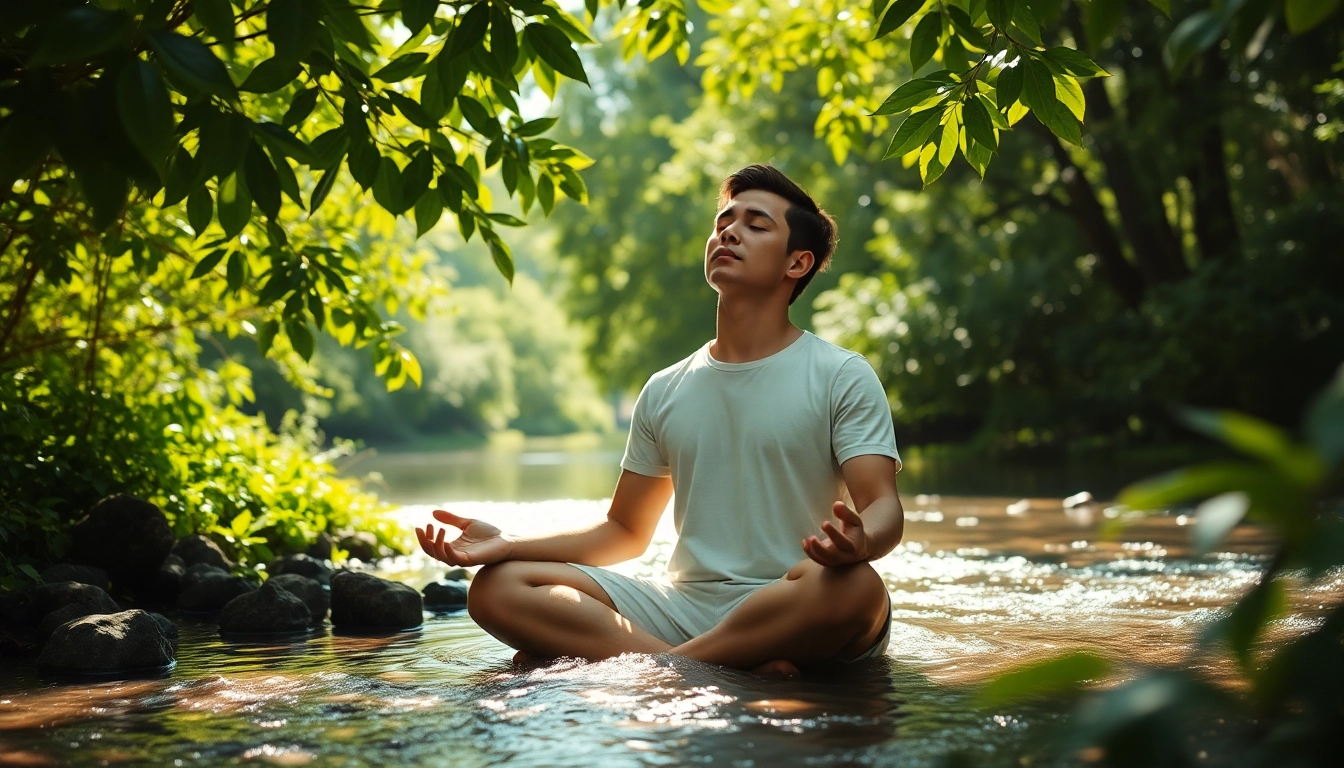
Mindfulness meditation has gained significant recognition for its effectiveness in reducing stress and anxiety. This practice encourages individuals to focus on the present moment, fostering a non-judgmental awareness of their thoughts and feelings. Here are some steps to incorporate mindfulness into daily life:
- Find a Quiet Space: Choose a location where you can sit comfortably, free from distractions.
- Set a Timer: Begin with just 5-10 minutes and gradually increase as you become more comfortable.
- Focus on Your Breath: Notice the sensation of your breath entering and leaving your body.
- Observe Your Thoughts: If your mind wanders, gently bring your focus back to your breath without judgment.
Consistent practice can lead to reduced anxiety levels and improved emotional regulation.
Physical Activities to Alleviate Stress
Regular physical activity plays a pivotal role in managing stress and anxiety. Exercise releases endorphins, the body’s natural painkillers and mood enhancers. Here are some beneficial activities:
- Walking: A simple yet effective way to clear your mind and boost your mood.
- Yoga: Combines physical postures, breathing exercises, and meditation, promoting relaxation.
- Team Sports: Engaging in sports can foster social connections and provide an outlet for stress relief.
Creating a regular exercise routine can lead to significant long-term benefits for mental health.
Building a Resilient Mindset
Positive Thinking for Reducing Anxiety
Cultivating a positive mindset can significantly reduce feelings of anxiety. One effective technique is to practice gratitude. Taking a moment each day to reflect on things you are grateful for can shift focus away from stressors. Additionally, using affirmations can reinforce positive beliefs:
- “I am capable of handling whatever comes my way.”
- “Each day, I am becoming stronger and more resilient.”
By consciously shifting negative thoughts to empowering ones, individuals can reshape their emotional responses to stress.
Developing Healthy Coping Mechanisms
Healthy coping strategies are essential in managing stress and anxiety. Instead of resorting to unhealthy behaviors such as substance abuse or avoidance, consider these alternatives:
- Journaling: Writing about your thoughts and feelings can provide an emotional release and help organize your thoughts.
- Creativity: Engaging in creative activities, like painting or music, releases stress and promotes relaxation.
- Seeking Solitude: Taking time for oneself can help re-energize and process emotions.
Identifying personal tools for coping can provide stability in times of emotional unrest.
Creating a Support System
A strong support system is instrumental in managing stress and anxiety. Connecting with others helps buffer stress levels, offering different perspectives and emotional support. Here are ways to enhance your support network:
- Reach Out: Share your feelings with friends or family; vulnerability can encourage deeper connections.
- Join Support Groups: Engaging with like-minded individuals can provide validation and comfort.
- Seek Professional Guidance: Therapists can offer insights and strategies to cope effectively.
Building and nurturing relationships can be one of the most effective safeguards against the impacts of stress and anxiety.
Practical Lifestyle Changes
The Role of Nutrition in Stress Management
Nutrition plays a critical role in how we respond to stress. A balanced diet rich in antioxidants, vitamins, and omega-3 fatty acids can promote brain health and mitigate anxiety. Foods such as:
- Berries
- Leafy greens
- Fatty fish
- Nuts and seeds
- Whole grains
Incorporating these into your regular diet can help regulate mood and reduce stress levels. Additionally, staying hydrated is essential, as even mild dehydration can impact mood and cognition.
Sleep Hygiene and Its Effects on Anxiety
Good sleep hygiene is vital for mental health. Lack of quality sleep can exacerbate stress and lead to anxiety disorders. To improve sleep quality, consider the following habits:
- Establish a Routine: Go to bed and wake up at the same time each day.
- Create a Restful Environment: Ensure your bedroom is dark, quiet, and cool.
- Avoid Stimulants: Limit caffeine and electronic device usage before bedtime.
A restorative night’s sleep can rejuvenate the mind and body, making it easier to manage daily stressors.
Limiting Digital Distractions
In our hyper-connected world, constant digital notifications can heighten feelings of stress and anxiety. Taking breaks from screens can improve focus and mental clarity. Strategies to limit digital distractions include:
- Designate Tech-Free Times: Establish periods throughout the day where digital devices are put away.
- Engage in Hobbies: Activities such as reading, cooking, or gardening can reduce reliance on screens.
- Mindful Social Media Use: Be selective about what content you engage with and limit exposure to negativity.
Reducing screen time can create space for mindfulness and lead to a more peaceful mindset.
Seeking Professional Help
When to Consider Counseling
Understanding when to seek help is crucial. If stress and anxiety persist and begin to interfere with daily life, it may be time to consult a professional. Signs that counseling may be beneficial include:
- Persistent feelings of sadness or hopelessness
- Difficulty functioning at work or in social situations
- Engaging in harmful coping mechanisms
- Experiencing panic attacks
Early intervention can provide valuable tools to manage and mitigate stress and anxiety effectively.
Types of Therapy for Stress and Anxiety
Several therapeutic approaches can address stress and anxiety. Each method has its strengths, including:
- Cognitive Behavioral Therapy (CBT): Focuses on changing negative thought patterns and behaviors.
- Mindfulness-Based Therapy: Integrates mindfulness practices to enhance emotional regulation.
- Exposure Therapy: Gradually exposes individuals to anxiety-provoking situations to desensitize them.
Discussing options with a mental health professional can ensure customized care tailored to individual needs.
Benefits of Medication Options
For some individuals, medication can be an effective part of a comprehensive treatment plan for stress and anxiety. Common medications include:
- Antidepressants
- Anxiolytics
- Beta-blockers
Consulting with a psychiatrist can help determine if medication is necessary and appropriate, ensuring it is part of a broader strategy that includes therapy and lifestyle changes.
FAQs
What are the primary causes of stress and anxiety?
Common causes include work pressures, financial issues, relationship problems, major life changes, and health concerns. Identifying these triggers is key to managing symptoms.
How can I effectively manage stress and anxiety daily?
Implementing techniques such as mindfulness, regular exercise, proper nutrition, and establishing a support system can significantly enhance daily management.
Is professional help necessary for everyone with anxiety?
Not everyone needs professional help, but if anxiety interferes with daily life, seeking guidance from a therapist can be beneficial.
Are there natural remedies for anxiety?
Natural remedies such as herbal supplements, aromatherapy, and mindfulness practices can complement traditional treatment methods but consult a healthcare provider before use.
How does lifestyle impact stress management?
A healthy lifestyle, including regular physical activity, proper nutrition, and quality sleep, plays a crucial role in reducing stress and anxiety levels.